Private Driver vs Public Transport in Taiwan for Kids and Grandparents
Mellow Away editors · 8 min read
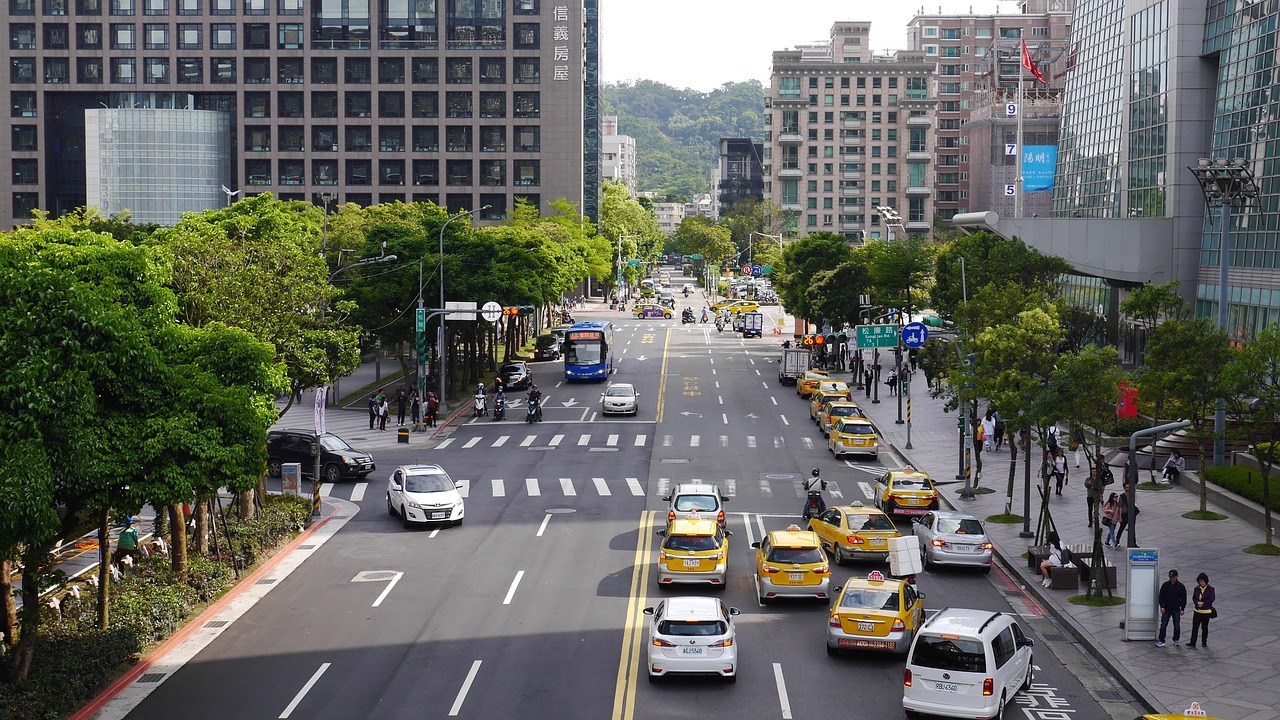
Choosing a private driver in Taiwan with family is less about finding one “best” way to move than matching energy, bags, and transfers. The Tourism Administration describes a connected public network of metro, buses, Taiwan High Speed Rail, Taiwan Railways, the Taiwan Tourist Shuttle, and Taiwan Tour Bus. The same official car-rental page notes that visitors who are not familiar with the roads may rent a car and hire a driver at once. This guide compares those choices for kids and grandparents. Fares, timetables, and vehicle rules can change, so confirm them on official sites when you book and again before you travel.
A practical pattern is often a mix: rail and metro for the seated long hops, then a licensed taxi or a booked car with a driver for the last mile, a late arrival, or a day when stairs and changes would wear everyone out.
When a hired car earns its keep
A booked car with a driver, or an official taxi, is most useful when the group is tired, the bags are heavy, or the day would otherwise involve several station changes. Door-to-door travel keeps children and grandparents in one vehicle, with room to pause for a toilet or a snack without missing a reserved train.
That matters most on arrival day. Official taxis at Taiwan Taoyuan International Airport run 24 hours, year-round, from managed stands on the west side of the Terminal 1 and Terminal 2 arrivals halls. The airport says those taxis and drivers must pass an Aviation Police evaluation before they may serve travelers. Fares are based on the meter, with highway tolls not included; taxis will also take passengers throughout Taiwan according to set standard rates. Wheelchair-accessible taxis can be reserved on +886-3-398-2832. Terminal 1’s taxi service center is +886-3-383-4499; Terminal 2’s is +886-3-398-2022.
Public airport rail has a last-train limit. On Taoyuan Metro’s Airport Terminal 1 (A12) timetable, the last express toward Taipei Main Station is listed at 22:58, and the last commuter train at 23:37. If you land after those trains, or you do not want to move luggage through an underground transfer after a long flight, a taxi or a pre-booked car is the simpler option.
A hired car also helps when public options still leave a gap: a hotel that is not next to a station, a mountain road, or several short stops that would otherwise mean repeated boarding. The Tourism Administration notes that hotels can help arrange a rental, and that for an airport pick-up or only a few hours’ drive, hotel rental services may be a more convenient and economical choice. Ask whether insurance is included and whether anything else is payable. Confirm the vehicle size against your actual headcount and bags; a sedan is not a van.
When public transport is the calmer default
For west-coast city-to-city travel, reserved seats on Taiwan High Speed Rail are usually the calmer long hop: the group sits together, the ride does not depend on highway traffic, and you can rest before a short transfer. Book reserved seats rather than treating unreserved cars as the holiday plan. High Speed Rail does not serve the east coast, so Hualien and Taroko still need Taiwan Railways or a long road day. Ticket rules, accessible seating, and station assistance are on official THSRC pages.
Inside cities, metro systems and buses cover short hops. The Tourism Administration’s Taipei Metro pages describe EasyCard and iPASS as contactless cards that work on metro and many buses, with top-ups at metro stations and convenience stores. That is often enough for a Taipei, Taichung, Tainan, or Kaohsiung day once you are settled near a station.
From the airport into Taipei during operating hours, the Airport MRT is the seated public option. Taoyuan City Government tourism pages, citing Taoyuan Metro Corporation, give an express time of 35 minutes from Taipei Main Station (A1) to Airport Terminal 1 (A12) and 39 minutes to Terminal 2 (A13); a commuter train is listed at 49 minutes from A1 to A12. Official FAQ pages also note luggage racks on the airport line. Check the day’s timetable, and build in time for immigration, elevators, and a snack before a tight connection.
For scenic areas, the Tourism Administration’s Taiwan Tourist Shuttle is a public bus from Taiwan Railways and High Speed Rail stations toward major spots, including routes associated with Sun Moon Lake, Alishan, and Hengchun. Taiwan Tour Bus is a separate official product: booked, guided itineraries with hotel, airport, and station pick-ups. Both are worth checking when you want a set route without hiring a car for the whole day.
On cost, do not guess a private-driver day rate. Compare a written quote from a licensed operator—including tolls, parking, waiting time, and any child-seat fee—with official metered taxi rules and the rail fares published for your dates. For a west-coast trip that is mostly city neighborhoods plus one or two reserved train rides, public transport is usually the lower per-person spend. A hired car is a premium you pay for door-to-door timing and fewer transfers.
Taxis, a booked car with a driver, and self-drive
These are related road options, not the same service.
The Tourism Administration describes taxis as a common choice for short city trips, rides to and from transport hubs, and places that lack convenient public transport. Most taxis use meters based on distance and time; highway or late-night charges may be added, and you should confirm fees with the driver if you are in doubt. Taxis are usually yellow, with a small red light in the window when the car is available. Seat belts should be fastened, receipts are available if you ask in advance, and cash is always accepted; confirm card or mobile payment before you set off. Hail a taxi at a proper stand or through a trusted platform, and keep the taxi number if you need to report a lost item or a fare problem. For airport taxis, the Tourism Administration lists Taoyuan Airport Taxi on +886-3-398-5558 as a complaint contact.
A booked rental car with a driver is the “private driver” most families mean when they want a planned day, a larger vehicle, or an agreed pick-up. Use a licensed operator, and get in writing what the price includes. Ask whether a child seat can be provided, how long the driver will wait at the airport, and whether the car will actually hold every suitcase.
Self-drive is a third path. In Taiwan, cars drive on the right, and the Tourism Administration says both the driver and passengers must fasten their seat belts and that you should hold a valid international driver’s license before you take the wheel. For a multi-gen trip, hiring a driver is often the point: one adult is not navigating unfamiliar freeways while children and grandparents are tired.
Child seats and seat belts
This is not medical advice. It is a planning note from official traffic rules, which you should confirm if they change.
The Tourism Administration states that both the driver and passengers must fasten their seat belts. Under Ministry of Transportation and Communications rules on child seating in small cars, “small cars” include private and rental passenger cars and exclude taxis (營業小客車) and ambulances. Children aged four and under who also weigh 18 kilograms or less must ride in a rear-seat child safety seat: a portable infant bed or a rear-facing seat for children aged two and under, and a child seat—preferably rear-facing—for children over two and up to four. Children older than four and up to 12, or who weigh more than 18 kilograms and up to 36 kilograms, must sit in the rear and use a seat belt as set out in the official seat-belt rules, which generally require a child seat, booster, or booster cushion unless the child’s body can use a regular seat belt correctly.
Because those child-seat rules cover rental cars and exclude taxis, a booked rental car with a driver is not automatically treated like a taxi. If you are traveling with a young child, ask the licensed operator before you pay whether a suitable seat can be provided and secured before the car moves. Taxis have a separate official exemption for certain rear-seat child-seat and booster requirements; that is not the same as saying a seat is unnecessary if you already have one with you. If you bring your own, tell the driver and install it before you leave.
A mix that usually works for three generations
A gentle private driver Taiwan with family plan often looks like this: Airport MRT into the city if you land during operating hours and can manage the bags, or an official airport taxi or pre-booked car if you arrive late, need a wheelchair-accessible vehicle, or want to go straight to the hotel. Reserved High Speed Rail or Taiwan Railways for the city-to-city legs. Metro and an EasyCard or iPASS once you are in town. A hired car or a taxi for a mountain day, a last-mile hotel transfer, or any afternoon when another set of stairs would end the day early.
Do not stack a long road day with a packed sightseeing list. Count seats and bags honestly, keep the booking record and any IDs you need for rail concessions on you, and give yourselves a buffer at stations. The aim is one calm transfer at a time.
The long ride is only half the plan. Where three generations sleep on either side of the station matters just as much. Use Mellow Away’s multi-gen hotel directory to shortlist stays with elevators and a calm breakfast near High Speed Rail, Taiwan Railways, or metro stations, then verify the details before you book.


