
Packing List for Taiwan with Kids and Grandparents: Layers, Meds Kit Basics & Day Bags
Mellow Away editors · 8 min read
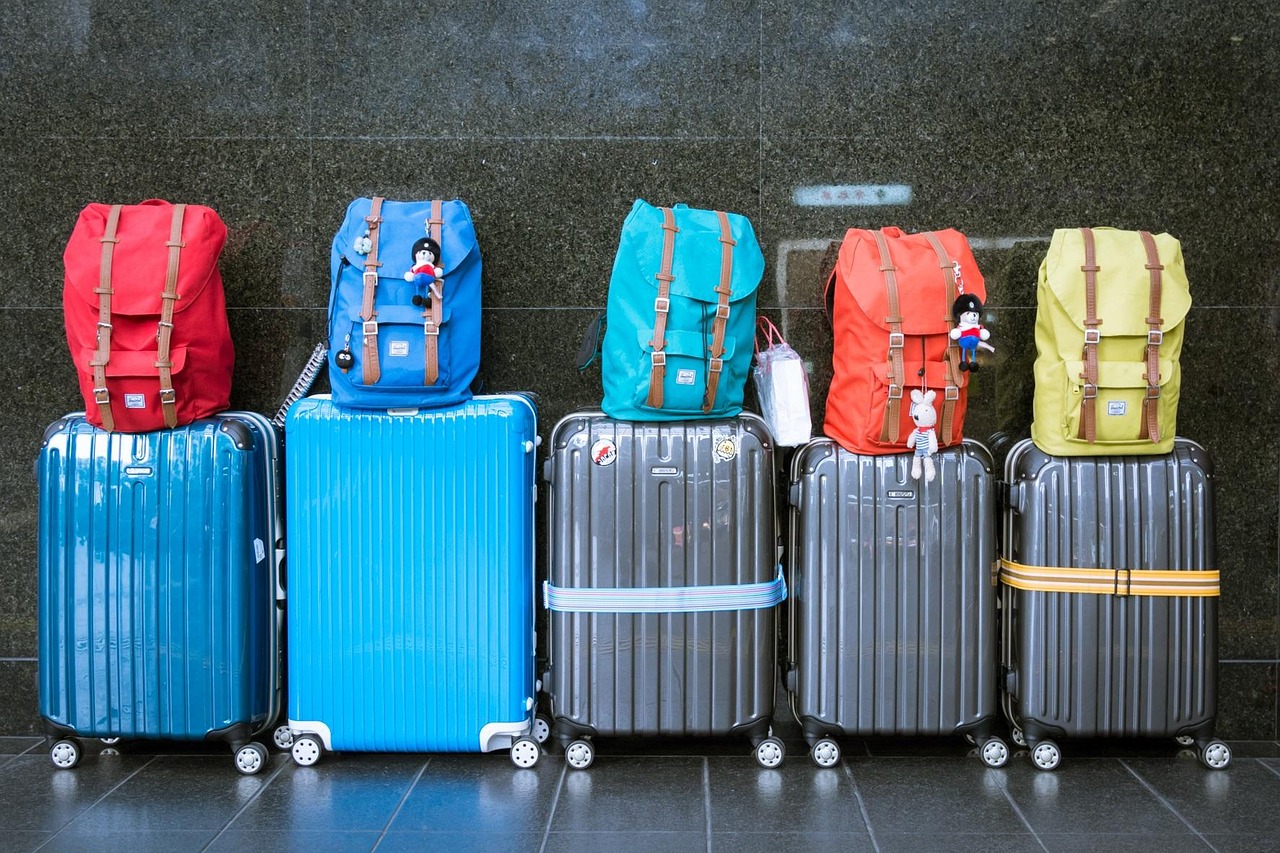
A packing list for a Taiwan trip with grandparents is less about filling every suitcase than matching layers, day bags, and a small personal-use kit to an island that is not one climate. Taiwan’s Tourism Administration describes the weather as warm year-round, with an annual average of about 22°C and typical lowland lows of 12–17°C; snow is generally limited to a few mountain areas. Spring and winter can fluctuate, while summer and autumn are relatively more stable. This guide is a packing companion to a first-time family checklist: what to put in the bags, what to keep with you on train days, and how official Customs rules treat personal medicines. It is not medical advice, and it is not a promise that any week will be dry.
Pack so each person can add or remove a layer without opening a large suitcase in a station aisle, elders are not carrying spare “just in case” weight, and young children are not wearing a bag that is too heavy for a short walk.
Soft-sell tip: once the bags are planned, Mellow Away’s multi-gen hotel directory helps shortlist stays with elevators and a calm breakfast, so you are not unpacking in a walk-up after a long travel day.
Pack for more than one climate
The Tourism Administration’s advice for visitors from higher latitudes is that you can leave a heavy winter coat behind and enjoy the island’s milder warmth. Autumn, from September to November, is described as cool and comforting, and winters are relatively warm and short, with sporadic cold fronts that hot-spring towns are known for. Kenting, in the south, is described as feeling like summer year-round, which is a reason for sun precautions rather than for packing only beach clothes.
The mountains are a different packing problem. The Alishan National Scenic Area Headquarters notes that Alishan is high and cool year-round, that the winter average temperature can be under 10°C, and that the temperature drop in the mountains can be substantial, so visitors should bring enough warm clothes. On the Central Weather Administration’s 1991–2020 monthly mean tables, Taipei’s January mean daily maximum and minimum are 19.4°C and 14.2°C, while Alishan’s January means fall to 11.0°C by day and 3.1°C at night. Midsummer in Taipei is hot on those same normals, with a July mean daily maximum of 34.8°C. The practical answer for a packing list Taiwan trip with grandparents is a light base layer everyone can wear in the city, plus a sweater or light jacket each person can put on for mountain mornings, air-conditioned trains, and a winter cold front.
Rain, sun, and shoes
During the rainy season from March to May, the Tourism Administration says continuously drizzling rain will sometimes fall, and it tells visitors to carry an umbrella at all times. In summer, from June to August, typhoons sometimes approach or hit, and the official advice is to keep an eye on weather reports. Pack a compact umbrella in a day bag, not only in a suitcase left at the hotel.
If a mountain day is on the plan, the Alishan headquarters also flags high UV, rain gear, and anti-slip shoes, because mountain weather can change quickly. Hats and the sun care your household already uses belong in the day bag for exposed walks anywhere on the island. Shoes should be comfortable and already broken in before you fly; a spare pair for anyone who blisters easily is more useful than a brand-new pair still in the box.
Day bags and train-friendly luggage
Give each person a small day bag they can actually carry: water, a layer, the umbrella, tissues, and any personal medicines they may need during the day. Parents can keep a shared pouch for passports, tickets, and hotel confirmations. The large suitcases then stay at the hotel, or they travel only on intercity days.
If you will use Taiwan High Speed Rail, pack to the official personal-belongings limits in the passenger guide: no more than 150 cm in length per piece, no more than 220 cm for the total of length, width, and height per piece, and no more than 40 kg in total weight. There is no separate checked-baggage service on the train, so a family that brings several large cases will be moving all of them through the station and into the car. If a baby stroller needs to be stored in the luggage area after folding, the same official guide asks you to tell the ticket officer when you buy tickets; actual storage still depends on how full that space is at the time. For portable power banks, THSR asks passengers to use only banks certified by the Bureau of Standards, Metrology and Inspection (BSMI) or the National Communications Commission (NCC), to keep them with you during the ride, and not to leave them charging inside a bag or suitcase. Airline cabin and hold rules are separate—check your carrier before you fly, and keep a layer plus daily medicines in a bag that stays with you.
A simple packing list Taiwan trip with grandparents
A practical shared list, adjusted for the season you actually travel:
• A light base layer and one sweater or light jacket per person, so the group can add and remove warmth between city streets, air-conditioned indoor stops, and cooler mountain or winter mornings
• A compact umbrella in a day bag, especially for travel in March to May, and a thin rain layer if a mountain day is planned
• Sun care you already use, plus a hat; pack extra sun protection if you add a high mountain stop
• Comfortable, broken-in shoes with decent grip, and a spare pair if someone is prone to blisters
• A reusable water bottle and a small pack of tissues or wipes
• Phone chargers and, if you carry a power bank, one that meets your airline’s rules and, for High Speed Rail, BSMI or NCC certification
• A plug adaptor if your devices use a different plug shape
For kids, add a small day backpack they can carry, a spare shirt, familiar snacks for travel days, and compact quiet entertainment for trains. For grandparents, add layers they can put on without help, any mobility aids they already use, and shoes that are already broken in. The organizing adult can add a little laundry soap for sink washes, wet wipes, and a shared documents pouch. Pack medications and health supplies according to your own clinicians’ prior guidance; this list is not a treatment plan.
Medicines, a basic kit, and Customs limits
This is not medical advice, and it is not a recommendation of any drug or dose. Pack the medications and supplies your household already uses, in their original packaging, and confirm the current rules before you fly on the official Customs and Taiwan Food and Drug Administration pages. Taipei Customs says medicines carried by arriving passengers must be for personal use only and within the published allowance. For Western non-prescription medicine, the official English table allows up to 12 bottles, boxes, cans, bars, or sticks per type, and up to 36 in total, counted in original packaging. For ordinary prescription medicine, the allowance is up to a two-month supply if you are not carrying a prescription or supporting document, and up to the reasonable amount stated on that document—and not more than a six-month supply—if you are. Injectables require a prescription or supporting document. Controlled drugs require a prescription or supporting document, are limited to a six-month supply, and need a TFDA-certified statement if you would exceed the limit. If a product is a prescription medicine in Taiwan but sold without a prescription in the country you depart from, the non-prescription quantity limit applies. Category questions can be checked with TFDA (telephone +886-2-2787-8000). If there is any discrepancy between the English and Chinese Customs text, Customs states that the Chinese version prevails.
A compact kit for cuts, blisters, and the remedies your family already relies on is enough. Do not build a large “just in case” pharmacy that pushes you over the official counts, and do not assume a hotel can replace a regular prescription.
Plugs, phones, and a last check
The Tourism Administration’s useful-tips page states that Taiwan uses electric current of 110 volts at 60 cycles, with both two-hole and three-hole sockets, and that appliances from Europe, Australia, or Southeast Asia will need an adaptor or transformer. Many buildings also have 220-volt sockets, especially for air conditioners. Confirm that a device supports the local voltage and frequency before you plug it in, and pack one adaptor the group can share at the hotel. The same official page notes that Taiwan’s 3G network was shut down on 30 June 2024. A phone or SIM that cannot use 4G voice (VoLTE) will be unable to place calls, including the emergency numbers 112, 110, and 119, so bring a VoLTE-capable handset or use a rental service that does. Convenience stores are listed as open daily, many of them 24 hours (some 07:00–23:00), and ordinary shops are described as open almost every day except Lunar New Year—pack the medicines, adaptors, and broken-in shoes you cannot easily replace, and leave room for things you may buy after you land.
The night before you fly, look at the Central Weather Administration forecast and any typhoon notices, and again the morning you go out. Confirm that bags intended for High Speed Rail sit inside the official size and weight limits. Keep prescriptions or supporting documents with personal medicines if you carry them, leave medicines in original packaging, and put one layer, the umbrella, and daily essentials in the day bags. A packing list for a Taiwan trip with grandparents works when the bags stay light enough for a station change and flexible enough for a cooler morning or a sudden shower. The success is a group that can add a jacket, open an umbrella, and still have a free hand for a grandchild, not a suitcase packed for every season at once.


