
Best Time to Visit Taiwan with Kids and Grandparents: Weather, Crowds & School Holidays
Mellow Away editors · 8 min read
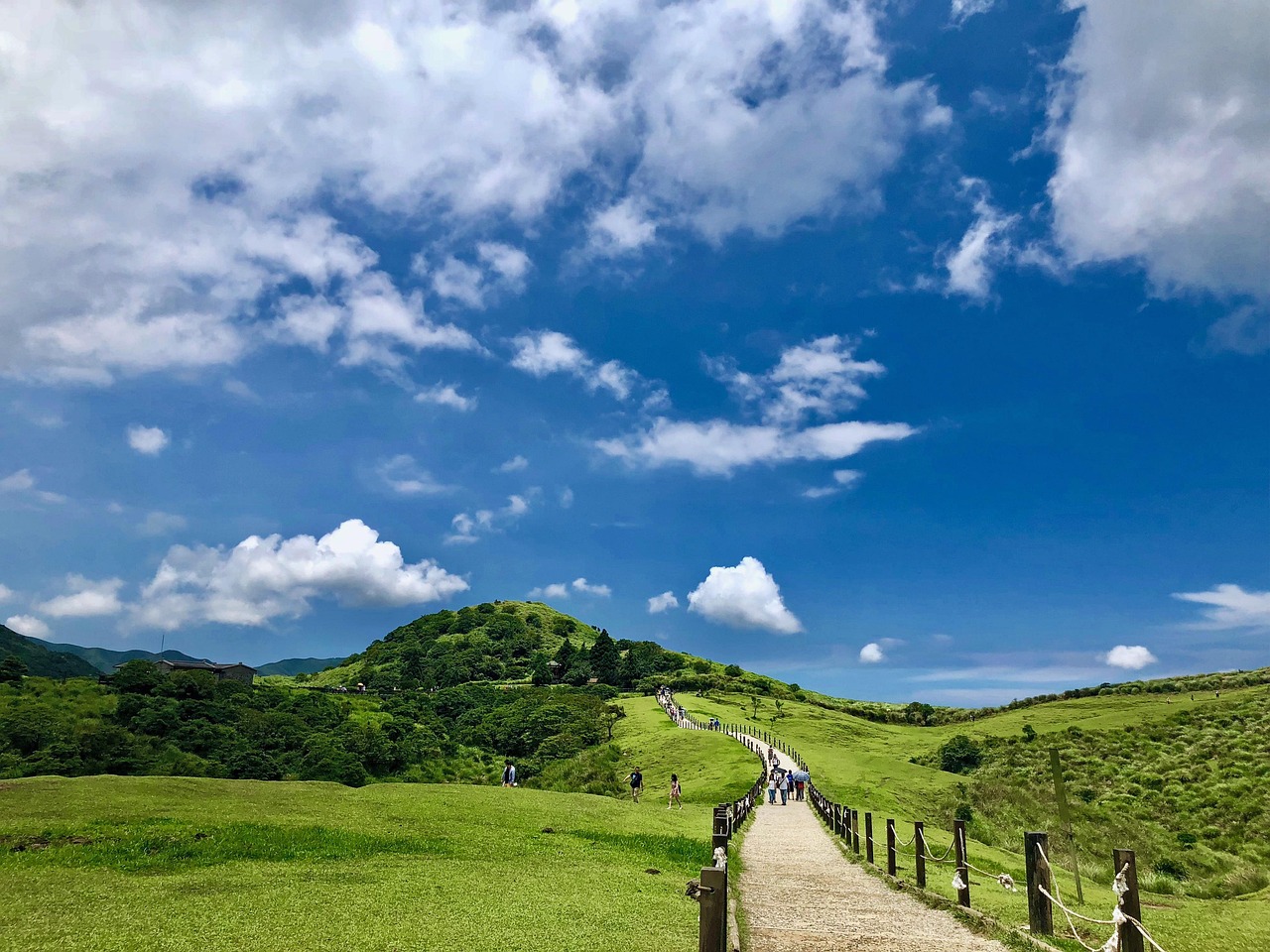
The best time to visit Taiwan with kids and grandparents is less a single “perfect month” than a match between weather, school calendars, and how much flexibility you can keep in the plan. Taiwan’s Tourism Administration describes the island as warm year-round, with an annual average of about 22°C and typical lowland lows of 12–17°C; snow is generally limited to a few mountain areas. It also notes that spring and winter weather can fluctuate, while summer and autumn are relatively more stable, and that autumn (September to November) is a cool, comfortable stretch. This guide uses that official picture, plus Central Weather Administration climate normals and typhoon records, and the Ministry of Education’s school-vacation rules, so you can pick a season without inventing a one-size-fits-all answer.
Who this timing question fits
This is for families who can travel in more than one month and want fewer weather surprises, shorter outdoor blocks, and realistic crowd expectations. It is not a promise that any week will be dry, and it is not medical advice about heat or cold. The Central Weather Administration’s monthly figures are 30-year averages (1991–2020), not a forecast for your dates—check the CWA forecast, and any typhoon warnings, before you fly and again the morning you go out.
Soft-sell tip: once you have a season in mind, Mellow Away’s multi-gen hotel directory helps shortlist stays with elevators and a calm breakfast, whether you base in a city or near a slower nature day.
The island is not one climate
A comfortable week in Taipei is not automatically a comfortable week on the east coast or in the high mountains. On the CWA 1991–2020 monthly mean tables, Taipei’s mean daily maximum and minimum are 19.4°C and 14.2°C in January, 34.8°C and 26.6°C in July, and 24.8°C and 19.7°C in November. Kaohsiung is milder in winter (24.2°C and 16.2°C in January) and still warm in autumn (28.1°C and 21.6°C in November). At Alishan, January means fall to 11.0°C by day and 3.1°C at night, so mountain days need layers even when the city feels mild.
Rain is just as uneven. Taipei’s wettest months in those normals are June (345.0 mm), August (337.8 mm), and September (315.2 mm); the driest are November (83.2 mm), December (88.7 mm), and January (90.5 mm). Kaohsiung’s pattern splits sharply: November through March stay between 17.7 mm and 32.3 mm, while August averages 512.4 mm. Hualien is different again. Rain is lowest from January to April (57.6 mm to 76.7 mm) and highest in September and October (329.9 mm and 350.6 mm). CWA’s autumn climate notes also say November is typically the north’s driest month, southwestern Taiwan enters a dry season from October, and northeastern Taiwan is often at its wettest in autumn. Plan the east coast and the north as separate weather questions, not as the same “October is always best” rule.
Autumn and the dry south
For many multi-gen itineraries that start in Taipei and travel south or to the mountains, late autumn is the season the official sources describe most kindly. The Tourism Administration calls September to November cool and comforting. In Taipei, October and November are milder than midsummer and, on the 30-year averages, drier than June through September. If your plan includes Kaohsiung, Tainan, or Kenting, the same CWA rain table makes November through March the drier southern window. The Tourism Administration also describes Kenting as feeling like summer year-round—pleasant in winter, but still a reason to keep midday outdoor time short.
The catch is the east. If Hualien or the coast east of the Central Mountain Range is a centerpiece, September and October are, on average, the wettest months there. A family that wants both a gentle Taipei city base and a calmer east-coast nature day may do better with a winter or early-spring east-coast block, or may keep a Hualien day loosely planned and back it with an indoor city alternative.
Winter, spring drizzle, and mountain layers
Winter (December to February) is, in the Tourism Administration’s words, relatively warm and short. It is a natural season for maple viewing and for hot-spring towns when sporadic cold fronts arrive. Taipei mornings can still feel cool, and Alishan or other high spots are genuinely chilly, so pack a layer you can add and remove rather than dressing the whole group for one temperature.
The Tourism Administration flags a rainy stretch from March to May, when lingering drizzle can settle in, and simply advises carrying an umbrella. That does not cancel a trip. It does mean a March or April itinerary should not depend on a full day of exposed coastal walking or a hillside old street with no indoor backup. CWA’s Mei-Yu (plum rain) season is centered on May and June, when a slow-moving or nearly stationary front often keeps the island cloudy to rainy and can bring heavier bursts, especially on the western side of the mountains. A Mei-Yu week can still work if you treat museums, malls, and covered transport as the main plan and leave Yehliu’s open rocks or a packed mountain sunrise for clearer weather.
Summer heat, school vacation, and typhoons
Summer (June to August) is the Tourism Administration’s typhoon window: storms sometimes approach or hit, conditions can change quickly, and roaring coastal waves are not a sightseeing feature. CWA’s typhoon encyclopedia, counting storms that made landfall or passed close enough to cause damage on land from 1911 to 2025, puts the peak in August, then July and September, and describes Taiwan’s typhoon season as falling roughly between July and September. Keep one loose day in the itinerary, follow CWA typhoon news, and check rail, flight, and attraction notices rather than forcing a coast or mountain day on a warning.
It is also the season when many visiting families have school holiday at home. Taiwan’s own calendar overlaps that window. The Ministry of Education’s Regulations on School Years, Semesters, and Vacations (amended 17 July 2025) set summer vacation at 60 days, generally 1 July to 29 August, and winter vacation at 21 days, generally 21 January to 10 February. Schools may adjust those dates, so confirm the year you travel. Midsummer in Taipei is hot on the official numbers (a July mean daily maximum of 34.8°C). Keep outdoor blocks short, plan sit-down indoor meals and air-conditioned backups, and do not stack a long walk, a night market, and a hillside day on the same date.
National holidays and Lunar New Year crowds
Weather is only half of “best time.” The Directorate-General of Personnel Administration publishes each year’s government work calendar. That calendar applies to government agencies; school schedules are set by education authorities, and private employers follow Ministry of Labor rules. Even so, the long weekends are a reliable signal that High Speed Rail, intercity trains, and popular attractions will be busier, and that some museums close on Lunar New Year’s Eve and the first day of the new year—always confirm the official page for the places you care about.
By law, Lunar New Year is a five-day holiday beginning the day before Lunar New Year’s Eve and running through the third day of the first lunar month. Weekends and makeup days often stretch it further. On the official 2026 government work calendar, the year has nine holidays of three days or longer:
• Lunar New Year, 14–22 February (nine days)
• Peace Memorial Day, 27 February–1 March (three days)
• Children’s Day and the Qingming Festival, 3–6 April (four days)
• Labor Day, 1–3 May (three days)
• Dragon Boat Festival, 19–21 June (three days)
• Mid-Autumn Festival and Teachers’ Day, 25–28 September (four days)
• National Day, 9–11 October (three days)
• Taiwan Retrocession Day, 24–26 October (three days)
• Constitution Day, 25–27 December (three days)
If you can travel just before or after a long weekend, you keep the same season and lose some of the crush. If you must travel at Lunar New Year, book transport early, expect family-reunion crowds, and build shorter days with reserved indoor time. Check the DGPA calendar for the year you actually fly; 2027 dates will not match 2026.
A simple way to choose, then confirm
A practical shortlist for the best time to visit Taiwan with kids and grandparents:
• Late October and November, if you want milder Taipei weather and a drier south, and you are willing to treat the east coast as optional or to accept its wetter autumn averages
• December to early March, if you prefer the south’s dry season, hot-spring towns, or a less humid city pace, and you can pack layers for northern mornings and mountain stops—while steering around the Lunar New Year travel peak if crowds would wear the group out
• March and April, if spring is your only window, provided you carry umbrellas, keep one indoor backup each day, and do not pin the trip on a single clear-sky hike
• July and August only if that is when everyone can travel: plan slower days, indoor resets, and a typhoon-flexible itinerary rather than a packed coast-and-mountain loop
The best time to visit Taiwan with kids and grandparents is the season that matches your group’s energy and your backup plans, not the month that looks prettiest in a photo. Before you lock tickets, read the CWA forecast and typhoon page, confirm school vacation dates if you are coordinating with a local family, and check the current DGPA holiday calendar and each attraction’s official hours. A slightly looser week in a kinder season is the success, not a checklist that assumes the weather will cooperate every day.


